
Industrial & Warehousing
07/10/265 Min Read
Built-to-Suit vs Ready-Built Warehouses: Which One Fits Your Business?
Should you choose a built-to-suit or ready-built warehouse? Compare cost, timelines, customisation and flexibility to pick the right facility for your business in Tamil Nadu.
Introduction
When a business needs new warehouse or manufacturing space, one of the first decisions comes before location, rent or lease terms: should you move into a building that's already standing, or have one built around your needs?
Both options work well, but for different kinds of businesses. The right choice depends on how fast you need to move, how specialised your operations are and where you see your business in five to ten years.
In this guide, we compare built-to-suit and ready-built warehouses side by side, so you can make the call with confidence. We also share what we've learned from delivering industrial projects for global brands at Casagrand Industrial & Warehousing.
Both options work well, but for different kinds of businesses. The right choice depends on how fast you need to move, how specialised your operations are and where you see your business in five to ten years.
In this guide, we compare built-to-suit and ready-built warehouses side by side, so you can make the call with confidence. We also share what we've learned from delivering industrial projects for global brands at Casagrand Industrial & Warehousing.
What is a ready-built warehouse?
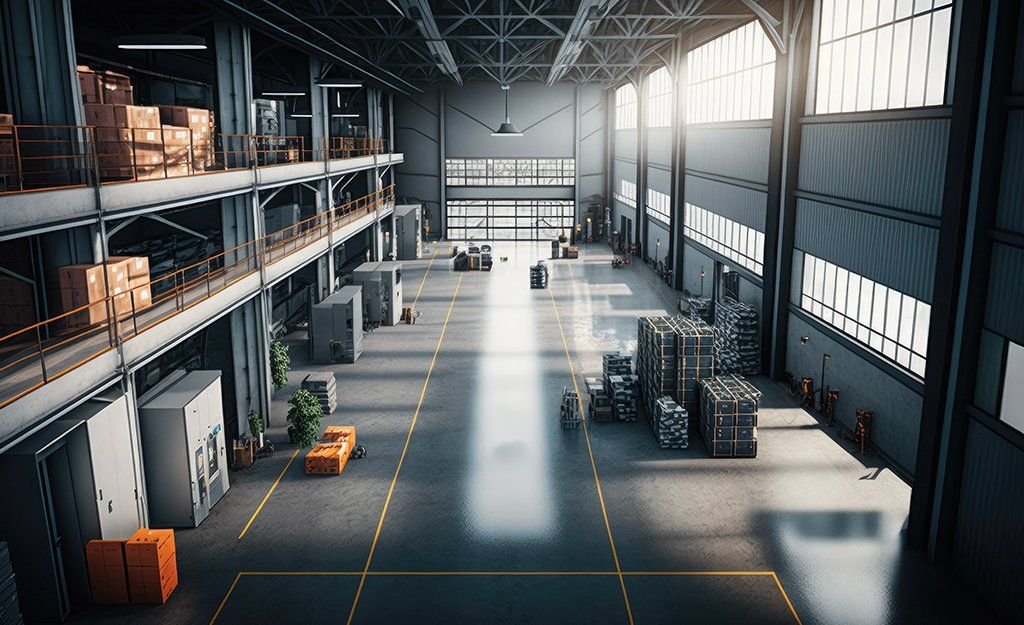
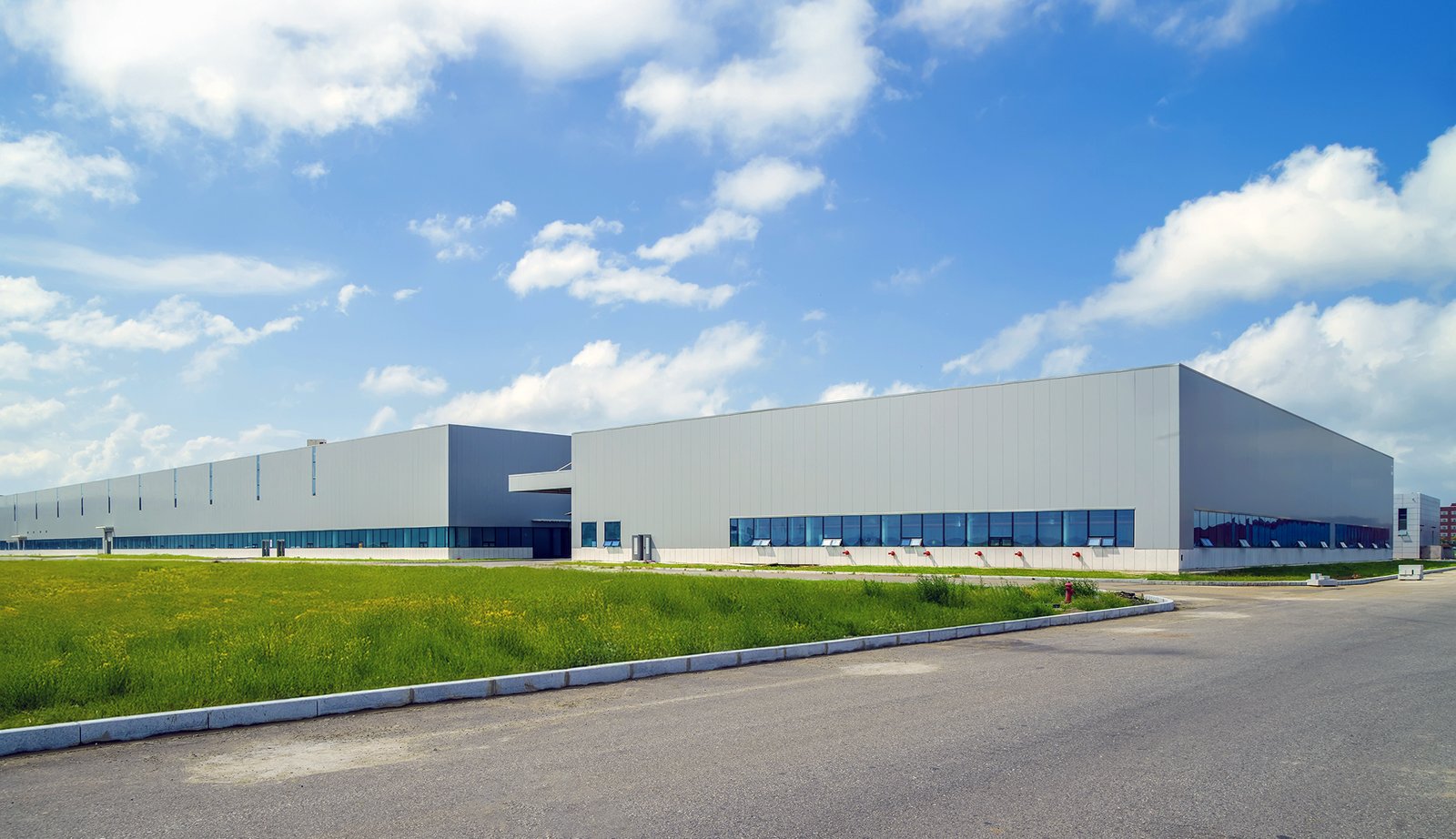
A ready-built warehouse (also called a pre-built or "plug-and-play" facility) is built by the developer before a tenant signs on. It follows standard specifications that suit a wide range of businesses: a common clear height, floor load, dock layout and fire safety setup.
You find a unit that fits, finish the paperwork, fit it out, and start operating.
You find a unit that fits, finish the paperwork, fit it out, and start operating.
Best for: businesses that need space quickly and whose operations fit standard specs, such as general storage, distribution, e-commerce, 3PL and light assembly.
What is a built-to-suit warehouse?
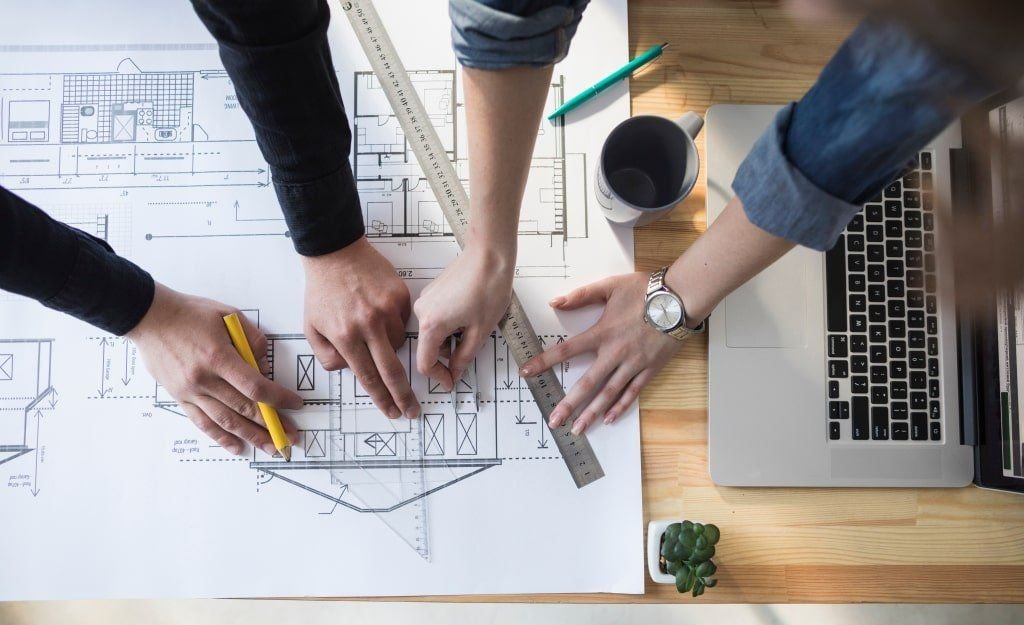
A built-to-suit (BTS) warehouse is designed and built around one tenant's requirements. You work with the developer from the start to define the layout, floor strength, height, power load, dock positions, office space and any special features your process needs.
The developer usually builds and owns the facility, and you lease it long term.
The developer usually builds and owns the facility, and you lease it long term.
Best for: manufacturers and businesses with specialised needs, such as heavy machinery, clean rooms, temperature control, high power loads or unusual production flows.
Built-to-suit vs ready-built: side-by-side comparison
| Factor | Ready-built | Built-to-suit |
|---|---|---|
| Time to move in | Weeks to a few months | Usually several months to over a year, depending on scale |
| Customisation | Limited to fit-outs inside a standard shell | Designed around your exact process |
| Upfront involvement | Low: choose, sign, fit out | High: you work with the developer on design |
| Lease term | Often shorter and more flexible | Usually longer, since the building is made for you |
| Risk of mismatch | Higher if your needs aren't standard | Low, because it's built to your specs |
| Ideal for | Speed, standard operations, testing a new market | Specialised operations, long-term plans |
When a ready-built warehouse makes sense
Choose ready-built if:
- You need to start fast.:A new contract, a seasonal peak or a sudden jump in demand won't wait a year for construction.
- Your operations are standard.:If a typical clear height, floor load and dock setup work for you, customisation adds time without much benefit.
- You're entering a new market.:A ready-built unit lets you test a region like Chennai or Coimbatore before making a larger long-term commitment.
- You want flexibility.:Shorter lease commitments make it easier to scale up, scale down or relocate.
Watch out for: compromises that add up over time. A slightly low clear height or a badly placed dock might seem minor on day one, but it can cost you efficiency every day for years.
When built-to-suit makes sense
Choose built-to-suit if:
- Your process is specialised.:Heavy machinery, assembly lines, clean rooms or cold storage need specs that standard buildings rarely offer.
- You're planning for the long term.:If this facility will be your base for a decade or more, it's worth getting the design right from the start.
- Efficiency drives your margins.:A layout designed around how materials actually move through your plant saves time and handling costs on every shift.
- Your brand has global standards.:Multinational companies often have strict facility, safety and ESG requirements that are easier to meet in a building designed around them.
Watch out for: timelines and developer capability. A built-to-suit project is only as good as the team delivering it. Delays in design, approvals or construction push back your whole business plan.
Five questions to help you decide
Ask your team these before you talk to developers:
- 1When do we need to be operational?:If the answer is "within three months," ready-built is almost always the answer.
- 2Can our operations run in a standard shell?:List your must-have specs, such as floor load, clear height, power and docks, and check them against what's available.
- 3How long will we stay?:Five years or more tilts things toward built-to-suit.
- 4What will we need in the future?:Think about expansion, automation and new product lines, not just today's needs.
- 5How much do we trust the developer?:For built-to-suit especially, track record matters as much as price.
The hidden factor: the developer
Whichever model you choose, the developer makes the difference between a smooth move and a stressful one.
For ready-built facilities, look at build quality: drainage, fire systems, floor finish and how the park is maintained after handover.
For built-to-suit, look at execution: whether the developer can turn your requirements into a working design, handle approvals and deliver on the committed timeline.
In both cases, ask about past projects and current tenants. If a developer has delivered for demanding global brands, that tells you a lot about how they'll deliver for you.
For ready-built facilities, look at build quality: drainage, fire systems, floor finish and how the park is maintained after handover.
For built-to-suit, look at execution: whether the developer can turn your requirements into a working design, handle approvals and deliver on the committed timeline.
In both cases, ask about past projects and current tenants. If a developer has delivered for demanding global brands, that tells you a lot about how they'll deliver for you.
How Casagrand Industrial & Warehousing approaches it
Casagrand Industrial & Warehousing is the industrial arm of the Casagrand Group, which has 22 years of real estate development experience. Since 2014, the industrial division has completed more than 30 projects across Tamil Nadu, built on precision, strong governance and execution discipline.
Our parks are home to global names including Royal Enfield, BYD, VinFast, Pegatron and Hitachi ABB. These are companies with demanding operational and compliance standards, spanning automotive, EVs, electronics and power technology. Their needs vary widely, and that variety has shaped how we work:
Our parks are home to global names including Royal Enfield, BYD, VinFast, Pegatron and Hitachi ABB. These are companies with demanding operational and compliance standards, spanning automotive, EVs, electronics and power technology. Their needs vary widely, and that variety has shaped how we work:
- We start with your operations, not our floor plans.:Whether you're considering a ready unit or a custom build, we look at how materials, people and vehicles move through your facility.
- We're honest about the fit.:If a standard facility meets your needs, we'll say so. If your process needs a custom design, we'll tell you why.
- We plan approvals early.:Strong governance means clearances and compliance are planned from day one, not rushed at the end.
- We commit to timelines and keep them.:Execution discipline is what global tenants rely on us for.
Consult With Experts
Ready to scale your industrial footprint?
Frequently Asked Questions
Not always. Built-to-suit usually involves a longer lease commitment, and rentals reflect the custom specifications. However, a facility designed around your process can lower operating costs over time, which often balances out the difference.
Explore More Articles
View All Blogs